
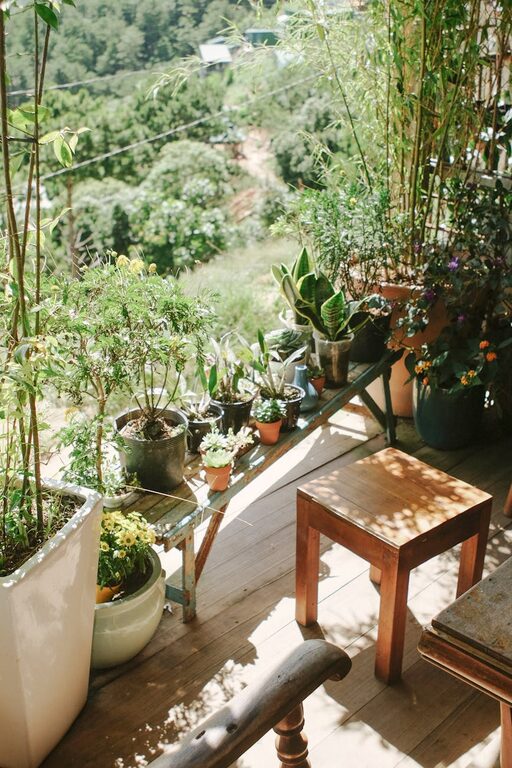
Creating a relaxing home garden space is a wonderful way to bring peace and tranquility into your everyday life. Whether you have a large backyard or a small balcony, designing a green retreat can help you unwind, connect with nature, and enjoy fresh air. This guide offers practical tips to help you create a soothing garden environment that suits your needs and style.
1. Choose the Right Location
The first step in creating a relaxing garden is selecting the best spot. Consider areas that receive ample natural light, have some shelter from harsh winds, and offer privacy. If space is limited, even a sunny windowsill or balcony corner can be transformed into a calming green space.
Factors to Consider:
– Sunlight: Most plants prefer at least 4-6 hours of sunlight daily.
– Privacy: Use fences, trellises, or tall plants to create a sense of seclusion.
– Accessibility: Make sure your garden is easy to reach and navigate.
2. Select Soothing Plants
Plants are the heart of any garden, and choosing the right varieties is crucial for relaxation. Aim for a mix of textures, colours, and scents to stimulate your senses without overwhelming them.
Recommended Plant Types:
– Lavender: Offers a calming fragrance and soft purple blooms.
– Ferns: Add greenery and a tranquil, shaded feel.
– Herbs like rosemary and mint: Provide pleasant aromas and can be used in cooking.
– Grasses: Ornamental grasses create gentle movement with the breeze.
– Flowering perennials: Such as hydrangeas or peonies, which provide seasonal interest.
Try to include plants that attract birds or butterflies, as observing wildlife can be very calming.
3. Create Comfortable Seating Areas
A relaxing garden isn’t complete without a spot to sit and enjoy your surroundings. Choose furniture that’s comfortable and weather-resistant.
Seating Ideas:
– Wooden benches with cushions for added comfort.
– Hammocks or swing chairs for gentle swaying.
– Small bistro sets for enjoying tea or reading.
– Ground cushions or poufs for a casual vibe.
Arrange seating to take in the best views of your garden, ideally under shade or a pergola to protect from sun or rain.
4. Incorporate Water Features
The sound of water is naturally soothing and can mask unwanted background noise. Adding a water feature can elevate the peacefulness of your garden.
Water Feature Options:
– Small fountains with gentle trickling sounds.
– Birdbaths that attract wildlife.
– Miniature ponds with floating plants or goldfish.
– Solar-powered water spouts for easy installation and use.
Be sure to keep water features clean to avoid attracting pests.
5. Use Soft Lighting
Good lighting extends the usability of your garden into the evening and adds ambiance without harshness.
Lighting Tips:
– Solar or LED string lights for a soft glow.
– Lanterns and candles for a cosy atmosphere.
– Spotlights to highlight special plants or features.
– Motion-sensor lights for safety near pathways.
Opt for warm white bulbs rather than bright or cool lighting to maintain a relaxing mood.
6. Add Personal Touches
Incorporate elements that reflect your personality and interests to make the space truly yours.
Ideas for Personalisation:
– Garden art pieces or sculptures.
– Wind chimes that produce gentle sounds.
– Colourful pots or plant stands.
– A small bookshelf with your favourite books.
– Cushions and throws with patterns you love.
Personal touches make the garden feel welcoming and increase your enjoyment of the space.
7. Keep It Low Maintenance
While a garden can be relaxing, it shouldn’t become a source of stress. Choosing easy-care plants and practical design features can keep maintenance manageable.
Low Maintenance Tips:
– Use mulch to retain moisture and reduce weeds.
– Choose drought-resistant plants suited to your area.
– Install an automatic watering system or soaker hoses.
– Group plants with similar needs together.
– Include gravel or paved pathways that don’t require mowing.
Simplifying upkeep means you can relax more and spend less time on chores.
8. Use Natural Materials
Opt for natural materials when selecting furniture, decoration, or hard landscaping. Wood, stone, bamboo, and jute blend well with plant life and feel calming to the senses.
Benefits of Natural Materials:
– They age gracefully and add character.
– They tend to be environmentally friendly.
– They provide a warm, inviting atmosphere.
Avoid overly synthetic or bright plastic items that can clash with the natural setting.
9. Consider Scent and Sound
Both scent and sound powerfully influence mood. Beyond plants, think about ways to enhance these senses naturally.
Enhancing Scent:
– Plant fragrant flowers like jasmine or gardenia.
– Use aromatic herbs near seating areas.
– Add essential oil diffusers or lemon-scented candles.
Enhancing Sound:
– Place wind chimes in gentle breezes.
– Create a sound barrier like a hedge to block street noise.
– Install water features that produce gentle, rhythmic sounds.
These elements create a fuller sensory experience, helping you switch off and relax.
Conclusion
Creating a relaxing home garden space is about designing an environment that soothes your mind and body. By choosing the right location, plants, seating, and features, and adding personal touches, you can build your own peaceful retreat. Remember to focus on simplicity and comfort to make your garden a true sanctuary for downtime and enjoyment.
—
With these tips, you’re well on your way to crafting a garden that invites calm and happiness every day. Take your time and enjoy the process—your tranquil outdoor space awaits!