
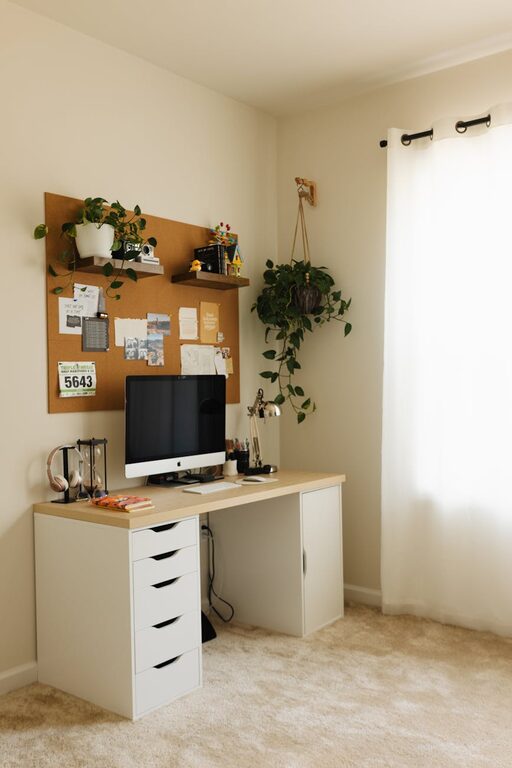
Creating a home office space that is both relaxing and productive can be a game-changer for your work routine. Whether you work remotely full-time or occasionally need a dedicated spot to get things done, your workspace greatly influences how focused and comfortable you feel. Here are some helpful tips to design an effective home office that supports productivity without sacrificing relaxation.
1. Choose the Right Location
Selecting the perfect spot in your home is the first step. Ideally, this should be a quiet area with minimal distractions. If possible, pick a room with a door you can close to create clear boundaries between work and home life.
Consider natural light
Natural light positively affects mood and energy levels. Position your desk near a window to benefit from daylight. If that’s not feasible, invest in good quality artificial lighting that mimics natural daylight.
2. Invest in Comfortable and Supportive Furniture
Your furniture should support long hours of work without causing strain.
– Ergonomic chair: Choose a chair with adjustable height, lumbar support, and comfortable cushioning.
– Desk: Pick a desk with enough surface area to accommodate your computer, notebooks, and any other essentials. Adjustable desks that can switch between sitting and standing are also beneficial.
– Footrest: If your feet don’t comfortably reach the floor, a footrest can improve posture and circulation.
3. Declutter and Organise Your Workspace
A tidy workspace helps clear your mind and improves efficiency.
– Use storage solutions like shelves, drawers, and organisers to keep documents and supplies neatly arranged.
– Keep only the essentials on your desk to avoid distractions.
– Regularly review and declutter to maintain an orderly environment.
4. Personalise Your Space Thoughtfully
Adding personal touches makes your workspace inviting without becoming overwhelming.
– Include plants to bring in natural elements and improve air quality.
– Display a few inspirational quotes or artwork you love.
– Choose calming colours like soft blues, greens, or neutrals for walls or accessories to promote relaxation.
5. Manage Noise and Minimise Distractions
Noise can interfere with concentration, especially if you live in a busy area.
– Use noise-cancelling headphones or white noise machines if intrusive sounds are unavoidable.
– Set clear boundaries with housemates or family members during work hours.
– Turn off unnecessary notifications on your devices to stay focused.
6. Optimise Technology and Equipment
Having reliable and efficient technology reduces frustration and downtime.
– Ensure your internet connection is strong enough to handle video calls and large file uploads.
– Use a quality keyboard, mouse, and monitor to reduce strain.
– Organise cords neatly with clips or ties to avoid tangling and clutter.
7. Create a Routine and Respect Breaks
Even the best workspace won’t help without a healthy work routine.
– Set regular working hours and stick to them to maintain work-life balance.
– Take short breaks every hour to stretch and refresh your mind.
– Consider techniques like the Pomodoro method (25 minutes focused work, 5 minutes break) to stay productive.
8. Incorporate Relaxation Elements
Integrating calming elements can reduce stress and keep you grounded.
– Use aromatherapy diffusers with relaxing scents such as lavender or eucalyptus.
– Keep a small water feature or calming desk accessories if space allows.
– Practise mindfulness or breathing exercises at your desk during breaks.
—
By combining these tips, you can create a home office space that supports both your productivity and well-being. Remember, your workspace should work for you — so feel free to adjust these ideas based on your personal preferences and needs. A well-designed home office is an investment in your comfort and success.