
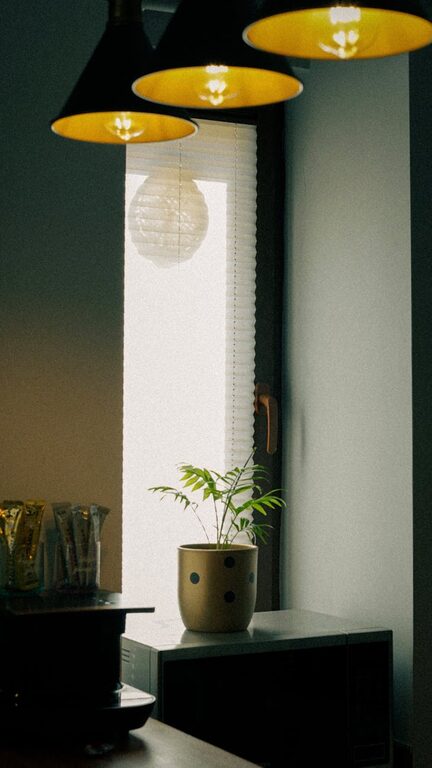
Creating a relaxing home environment doesn’t require major renovations or expensive furniture. Often, small and thoughtful decor adjustments can work wonders in turning your living space into a peaceful sanctuary. Whether you want to unwind after a long day or create a calm atmosphere for your family, simple decor changes can set the right tone. In this post, we’ll explore practical tips to help you design a more relaxing home environment with minimal effort and cost.
Why a Relaxing Home Environment Matters
Feeling stressed or overwhelmed is common in today’s busy world, and your environment plays a significant role in how you feel. A calm and uncluttered space can:
– Reduce stress and anxiety
– Enhance focus and productivity
– Promote better sleep
– Encourage relaxation and mindfulness
With these benefits in mind, taking some time to adjust your decor can positively impact your overall well-being.
1. Declutter and Organise
A cluttered space often leads to a cluttered mind. The first step to a relaxing home is to clear out unnecessary items:
– Sort through your belongings and keep only essentials or items with sentimental value.
– Use storage baskets, boxes, or shelves to organise smaller items.
– Keep surfaces like coffee tables and countertops free from clutter.
– Adopt a “one in, one out” policy to avoid accumulating more things over time.
An organised environment helps your mind feel calmer and makes the space easier to maintain.
2. Choose Soft, Neutral Colours
Colour has a powerful impact on mood. To create a soothing atmosphere:
– Opt for neutral shades like beige, cream, soft greys, or pastels on walls and large furniture.
– Use muted tones for curtains, cushions, and rugs to complement the room.
– Avoid overly bright or harsh colours that can be stimulating or distracting.
– If you enjoy some colour, incorporate it in small accents such as throw pillows or artwork.
Neutral colours tend to make rooms feel more spacious and tranquil.
3. Add Natural Elements
Bringing nature indoors can improve relaxation and air quality:
– Place indoor plants in corners, on shelves, or near windows. Low-maintenance plants like snake plants or pothos work well.
– Incorporate natural materials such as wooden furniture, wicker baskets, or stone décor items.
– Use fresh flowers to add natural colour and aroma.
– Let natural light flow in by using sheer curtains or blinds that can be easily adjusted.
Natural elements create a connection with the outdoors and enhance feelings of calm.
4. Use Soft Lighting
Lighting affects the room’s mood and energy. For a relaxing ambiance:
– Avoid harsh overhead lights; instead, use lamps, fairy lights, or candles.
– Choose bulbs that emit warm, soft light rather than cool, bright white.
– Place lamps strategically around the room to create layers of light.
– Use dimmer switches if possible to adjust brightness according to the time of day.
Soft lighting promotes relaxation and can make evenings more cosy.
5. Incorporate Comfortable Textiles
Comfortable fabrics add warmth and create a welcoming environment:
– Invest in plush cushions and throws for sofas and chairs.
– Choose rugs that feel soft underfoot and help absorb noise, making rooms quieter.
– Opt for breathable fabrics like cotton or linen for curtains and upholstery.
– Layer different textures to add depth and interest while keeping comfort in mind.
Comfortable textiles encourage you to relax and spend more time unwinding at home.
6. Create a Dedicated Relaxation Zone
Carving out a specific area for relaxation helps signal your mind to take a break:
– Design a cosy reading nook with a comfy chair and good lighting.
– Place a meditation cushion or yoga mat in a quiet corner.
– Add a small side table to hold a cup of tea or a favourite book.
– Keep this area clutter-free and decorated with calming colours and natural touches.
Having a designated spot for relaxation supports regular downtime and mindfulness.
7. Incorporate Subtle Scents
A gentle aroma can enhance the feeling of comfort and tranquility:
– Use essential oil diffusers with calming scents like lavender, chamomile or sandalwood.
– Light scented candles with natural ingredients to create a cosy atmosphere.
– Keep the scent subtle and avoid overpowering fragrances which could irritate.
Pleasant scents can make your home feel inviting and relaxing.
8. Personalise with Meaningful Décor
Decor items that reflect your personality or happy memories contribute to a peaceful vibe:
– Display photos of loved ones or favourite places.
– Use artwork that evokes calm or positivity.
– Include souvenirs, handmade crafts, or items with sentimental value.
– Avoid overcrowding walls or surfaces to keep the feeling spacious.
Your home should feel like a reflection of you and a place where you feel happiest.
Final Thoughts
Transforming your home into a more relaxing environment doesn’t have to be complicated or costly. By decluttering, choosing calming colours, adding natural elements, and paying attention to lighting and comfort, you can create a sanctuary that supports your wellbeing. Start with a few simple changes and enjoy the difference a calming space can make in your day-to-day life.
Remember, the most relaxing home is one where you feel comfortable, peaceful, and yourself. Happy decorating!